King of the Wren: A Welsh Twelfth Night Tradition Remembered
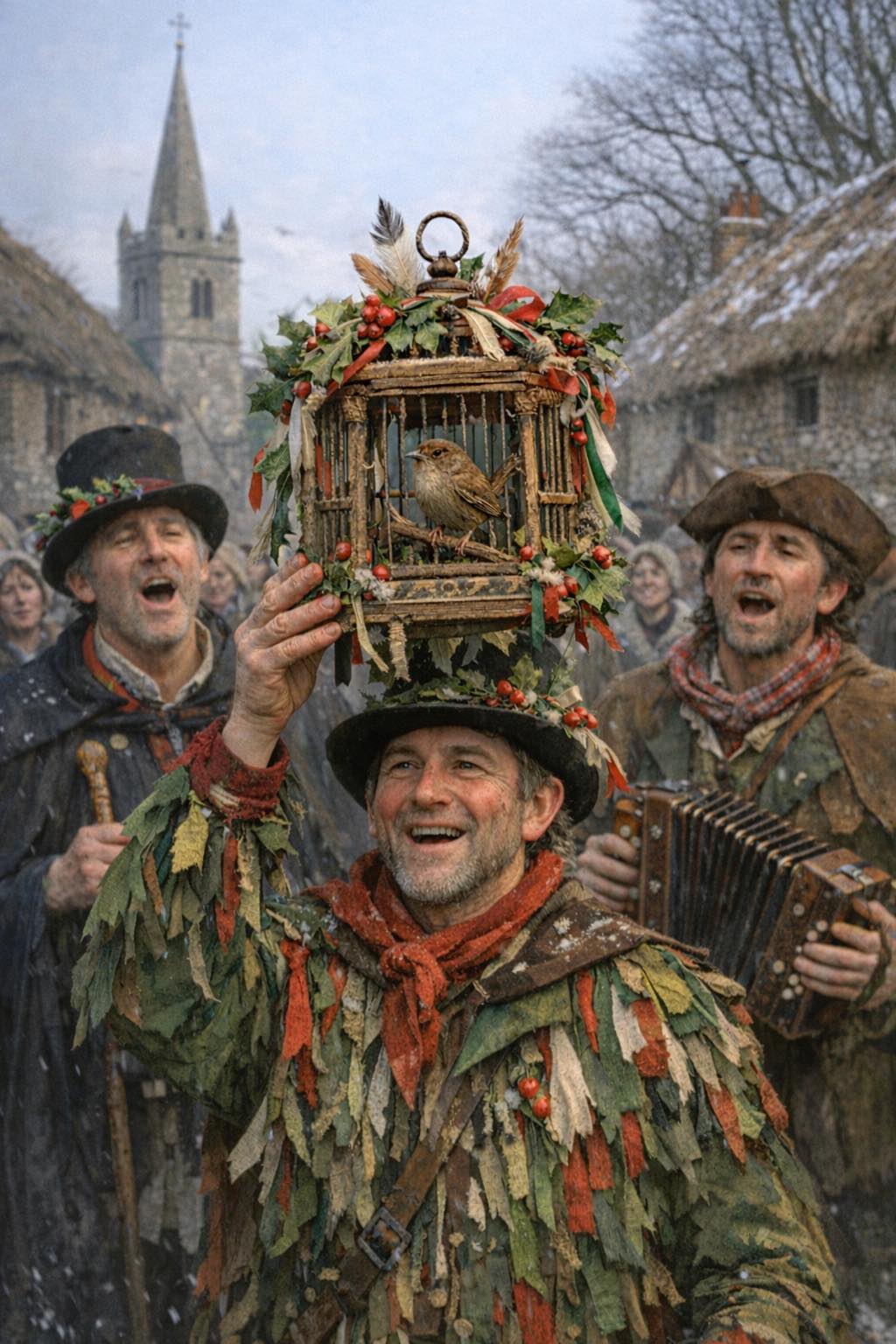
On January 6, Twelfth Night in Wales once echoed with song, ritual and the flutter of a tiny bird crowned king. Known in Welsh as Hela’r Dryw—the Hunting of the Wren—the “King of the Wren” custom was a centuries-old tradition marking the turning of the year, blending folklore, seasonal belief and community celebration.
Observed between Epiphany on January 6 and Twelfth Night on January 12, the custom centred on the wren, long revered in Celtic tradition as the “King of Birds.” Groups of young men, known as wrenbearers, would hunt a real wren and place it in a small, decorated cage or box called a “Wren House.” Carrying the box from house to house, they paraded through villages singing ritual songs that offered blessings of health, peace and good fortune for the year ahead.
In return, families rewarded the singers with food, drink or small sums of money. The procession was both celebratory and symbolic: the death of the old year and the promise of rebirth with the new. Scholars have linked the custom to older winter solstice rites and fertility traditions, reflecting a deep-rooted belief in the cyclical nature of time and renewal.
The wren’s royal status came from folklore as much as faith. One popular myth tells how the small bird earned its crown by outwitting larger rivals. When the birds competed to see who could fly highest, the wren hid in the feathers of an eagle and, at the last moment, flew above it—claiming victory through cleverness rather than strength.
While the original practice sometimes involved killing the bird, customs varied by region, and in some cases the wren was simply captured and displayed. Over time, changing attitudes toward animal welfare and the decline of rural folk traditions led to the ritual’s disappearance across most of Wales.
By the late 19th and early 20th centuries, Hela’r Dryw had largely died out, though traces of it lingered longest in west Wales. In Pembrokeshire, where the season was known as “Twelfth-tide,” songs and stories survived in local memory, preserving the spirit if not the practice.
Today, the King of the Wren lives on through revival events, music and symbolism rather than hunting. Modern celebrations often use ornaments or mock wrens, keeping the focus on heritage rather than harm. Similar traditions have seen stronger revivals in Ireland and the Isle of Man, where parades continue with stuffed or symbolic birds.
Though no longer a living custom in most Welsh communities, Hela’r Dryw remains a vivid reminder of how folklore once shaped the calendar—when a tiny bird, crowned king, carried hopes for luck, renewal and the coming year from door to door.