This remarkable group photograph was kindly passed to us by Mr. Lynn Price. It shows the Kidwelly Tinworks Hot Rolls team in the 1930s — skilled men whose strength, teamwork, and craftsmanship powered one of our town’s great industries.
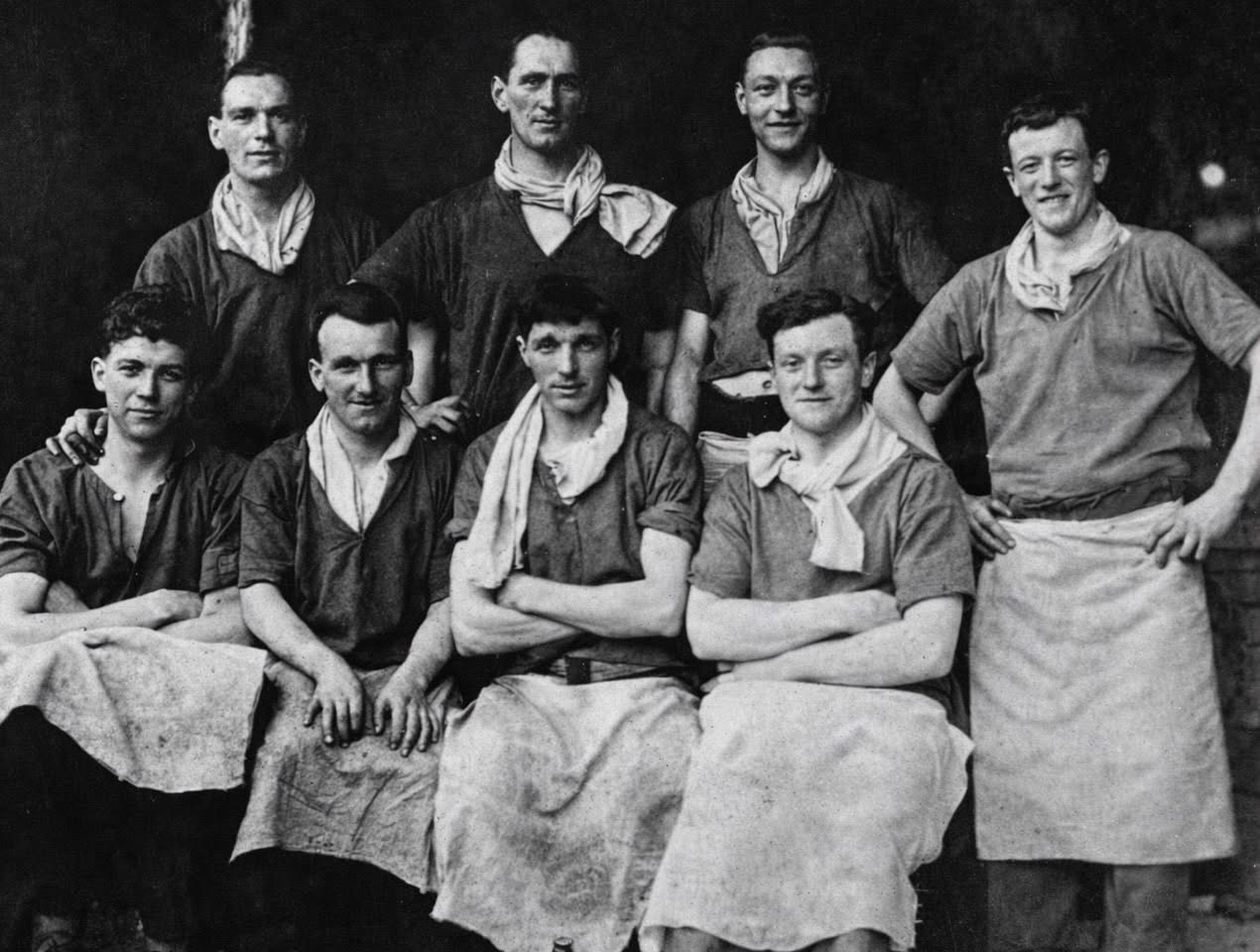
Standing in the back row, second from the left, is Doubler Edwin Lewis of Mynydd y Garreg — Lynn’s grandfather.
Edwin worked at the very heart of the rolling process, handling the intense and demanding job of doubling the hot plate. His descendants still live in Mynydd y Garreg, the surrounding area, and beyond. His legacy remains rooted in our community.
But these men did not work alone.
Each face in this photograph represents a family, a story, a working life forged in heat and steel. Sons, brothers, fathers, neighbours. Yet many of their names risk being lost to time.
So we are asking — can you help?
Do you recognise any of the other gentlemen in this photograph?
Did your father, grandfather, or great-grandfather work the Hot Rolls?
Are there family stories, documents, or memories that might help us identify them?
Let’s honour these men properly — by restoring their names.
Please share this post, speak to older relatives, check family albums, and get in touch if you can help us put names to these faces.
History belongs to all of us — and together, we can keep it alive
The Hot Rolls and the Upper Works: Powering the Tinplate Industry
The machinery known as the Hot Rolls formed the beating heart of the hot mill house, where iron and steel bars were transformed into plate ready for the tinning process. Constructed in 1879 as part of the Upper Works, this mill represented a major investment in industrial power and technological progress during the height of Britain’s tinplate industry.
The installation was overseen by Thomas Chivers, who commissioned six rolling mills powered by two impressive vertical single-cylinder steam engines. These engines were designed by the distinguished engineer Edwin Foden at his Elworth Forge near Sandbach in Cheshire. Foden himself travelled to Kidwelly to supervise the fitting of the machinery — a testament to the scale and importance of the undertaking.
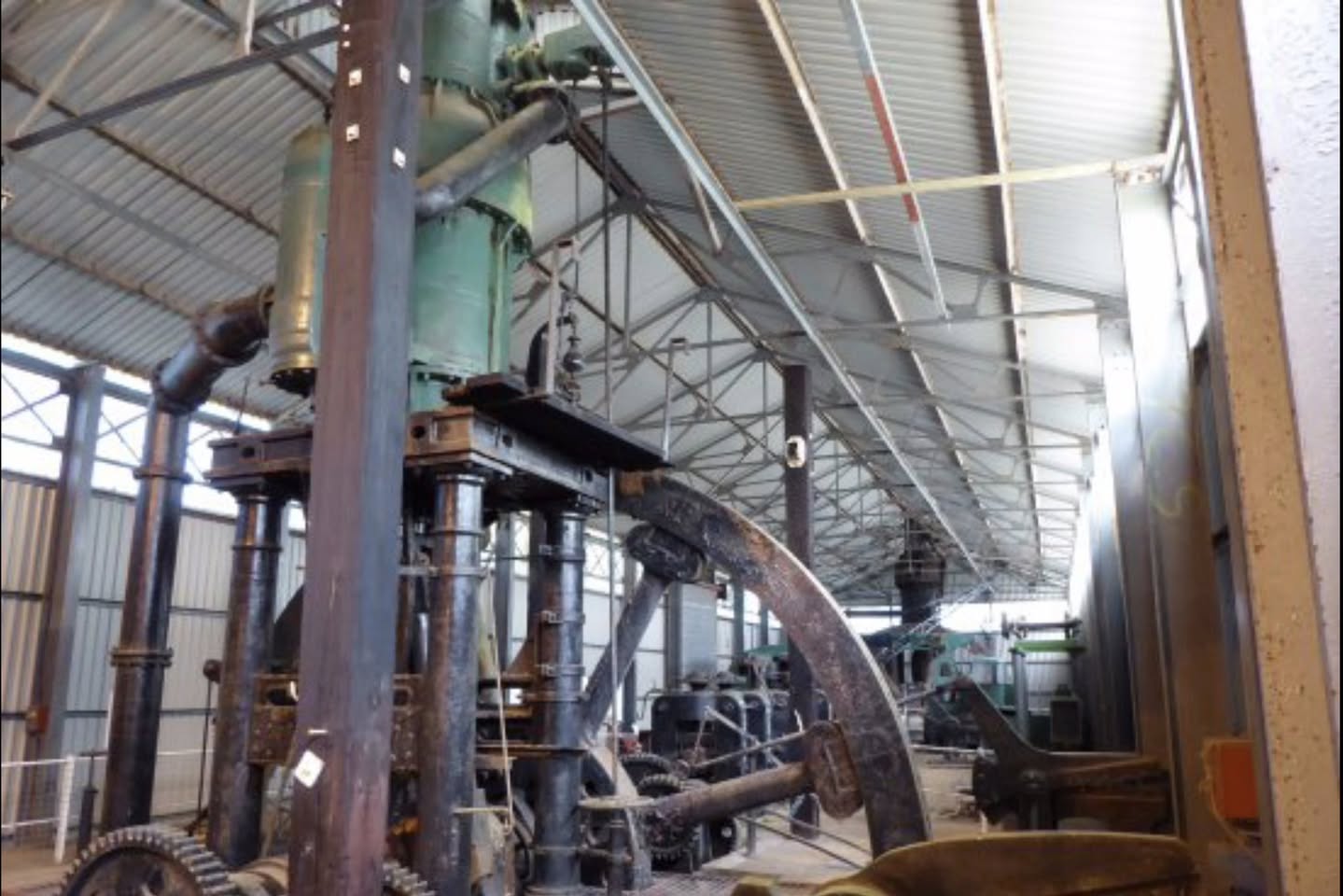
Each engine was a remarkable feat of engineering. The flywheels measured 25 feet in diameter and weighed an astonishing 42 tons. Their immense rotational force drove the rolling mills that shaped heated iron and steel into workable plates. The mills themselves were cast at the Glanmor Foundry in Llanelli, reflecting the close industrial links within South Wales.
Expansion and Adaptation
Industrial demand grew rapidly. By 1882, nine rolling mills were in operation, including three located in the Lower Works. Two additional mills were installed in the Upper Works by 1892. However, industrial consolidation followed: the Lower Works closed by 1899, leaving eight mills still operating at the main site.
Technological improvements accompanied this expansion. By 1892, the power output of the Foden engines had been significantly increased through the installation of new high-pressure cylinders. Each engine then drove a set of four rolling mills along with pairs of shears attached to each mill. Supporting the rolling process were sixteen iron and brick furnaces, which provided the intense heat required for working the metal. Sadly, these furnaces were lost before later restoration efforts.
The Hot Mill Unit
The basic hot mill unit was a carefully organised system designed for efficiency. It consisted of:
• Two standards, each housing a pair of rolls
• A bar or roughing furnace
• A finishing furnace
• Hot shears
• A doubling squeezer
• A finishing shear
Bars of iron or steel were first heated in the roughing furnace before being passed through the rolls to reduce their thickness. They were reheated in the finishing furnace and rolled again to achieve the required gauge. The doubling squeezer was used to fold and compress the plate — a crucial stage in producing tinplate of suitable strength and finish.
The Mill Crew
Behind this machinery stood a skilled and disciplined workforce. Each hot mill was operated by a crew of four men led by the rollerman, who directed the rolling process and controlled the timing and rhythm of production.
He was assisted by:
• The furnace man, responsible for heating and preparing the metal
• The behinder, who handled the bar as it passed through the rolls
• The doubler, who managed the folding and squeezing stage
As production demands increased, the crew was expanded to six with the addition of a first helper and second helper, reflecting both the physical demands and technical precision required.
Together, the machinery and men of the Hot Rolls exemplified the industrial ambition of the late nineteenth century. Massive steam engines, locally cast mills, and highly coordinated teams combined to produce the plates that would later be tinned and exported across the world. The Upper Works stood not only as a centre of production but as a symbol of engineering innovation and skilled labour at the height of the British tinplate trade.
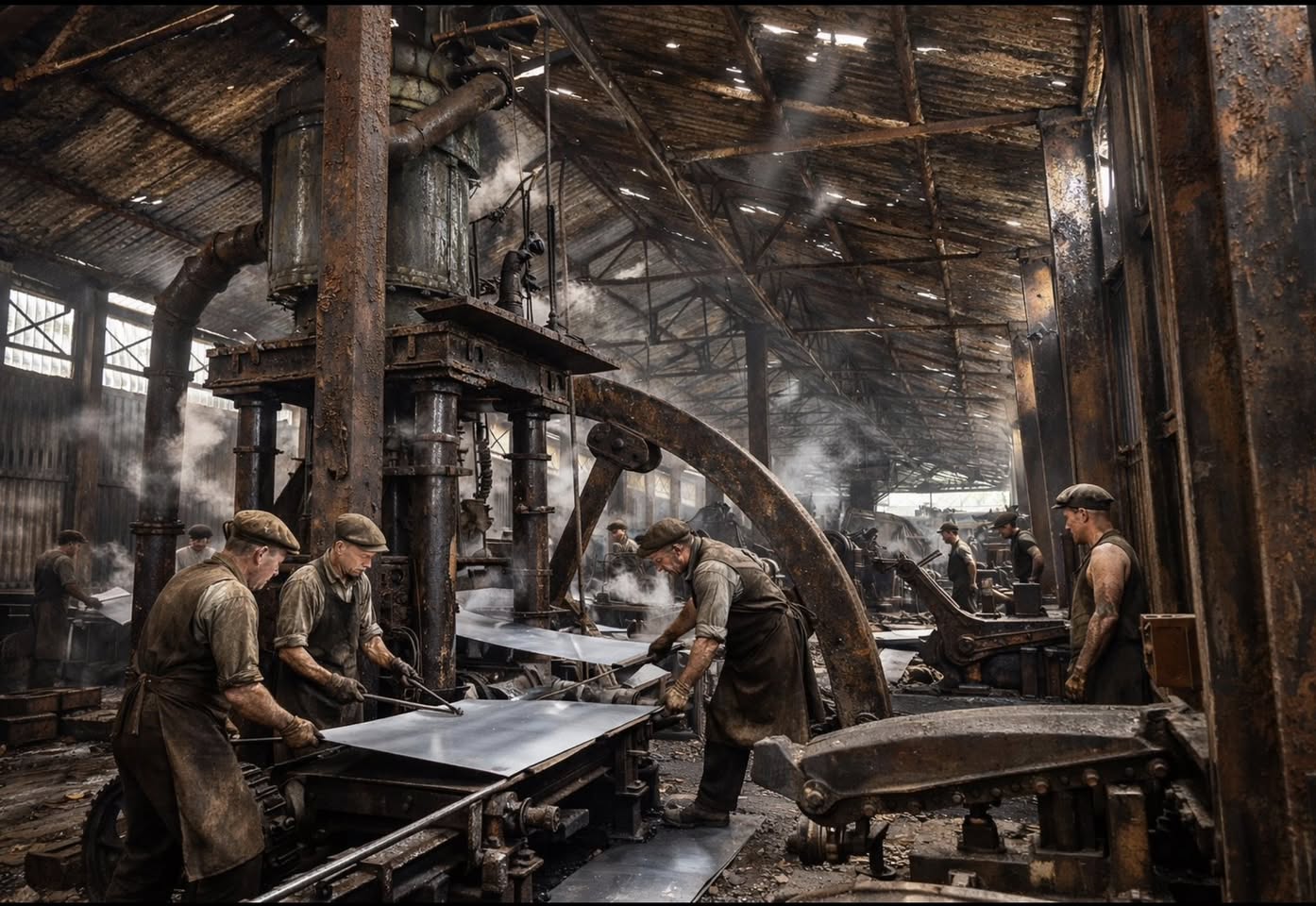
Images Kidwelly Tinworks Hot Rolls Team, A doubler at work, Hot Rolls House Kidwelly Tinworks, an artists impression of the the Hot Rolls House at Kidwelly
Article created by Garry Smith