The Unknown Warrior is one of the most powerful symbols of remembrance in the United Kingdom, and the story behind it is quite deliberate and deeply emotional.
Where the idea came from
The idea for a tomb containing the body of a single unknown British soldier came from Reverend David Railton, who was serving as a chaplain on the Western Front during the First World War. In 1916, near Armentières in France, Railton noticed a simple wooden grave marker inscribed:
“An Unknown British Soldier.”
That moment stayed with him. He felt strongly that such a soldier should be brought home to represent all those who had fallen with no known grave. After the war, he wrote to Herbert Ryle, the Dean of Westminster, proposing the idea.
Who pushed the idea forward
Although Railton conceived the idea, the person who made it real was the Dean of Westminster, Herbert Edward Ryle. He championed the plan to the government and King George V, who supported it.
The government and the military were initially hesitant, but as public grief grew (remember, almost every family had lost someone), the idea was seen as deeply fitting.
How the idea was put into action
In 1920, the plan was carried out with careful symbolism:
1. Four bodies of unidentified British soldiers were exhumed from different battlefields in France and Belgium (Ypres, the Somme, Arras, and possibly Aisne).
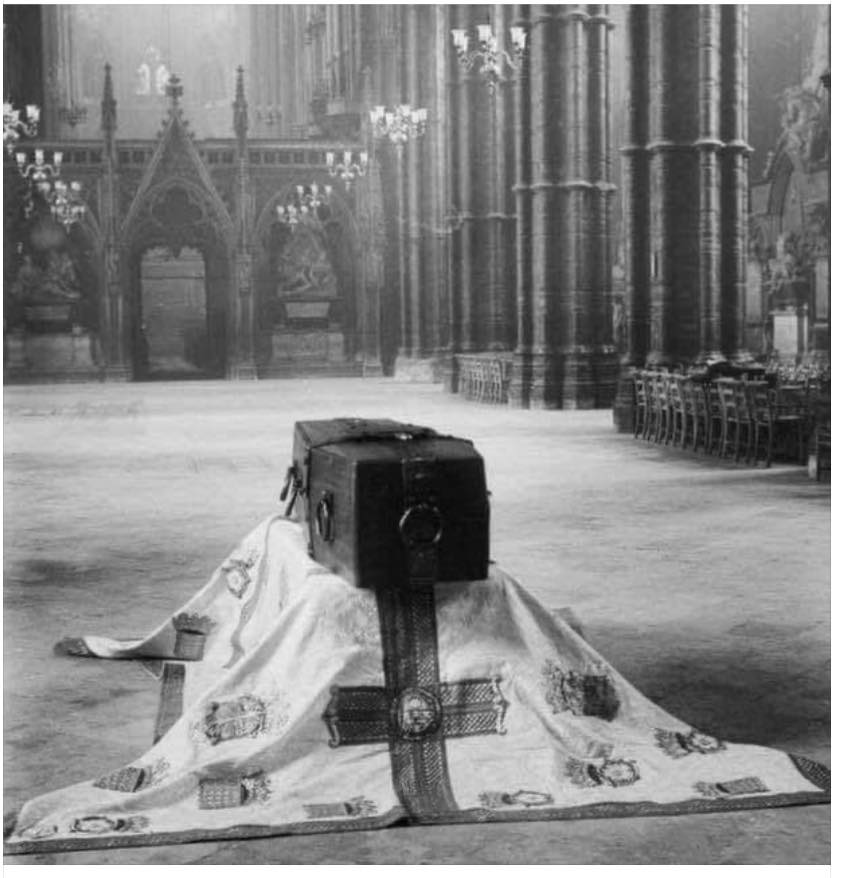
2. The bodies were placed in plain coffins and one was selected at random by Brigadier General L.J. Wyatt, to ensure absolute anonymity.
3. The chosen coffin was transported to England with high honor.
4. On 11 November 1920 (Armistice Day), the coffin was carried through silent crowds in London.
5. The Unknown Warrior was buried in Westminster Abbey, the resting place of kings and national figures. The idea was that the unknown soldier is the equal of them all.
The grave was sealed with a black marble stone from Belgium. Its inscription reads:
“They buried him among the kings because he had done good toward God and toward his house.”
Connection to Remembrance Sunday
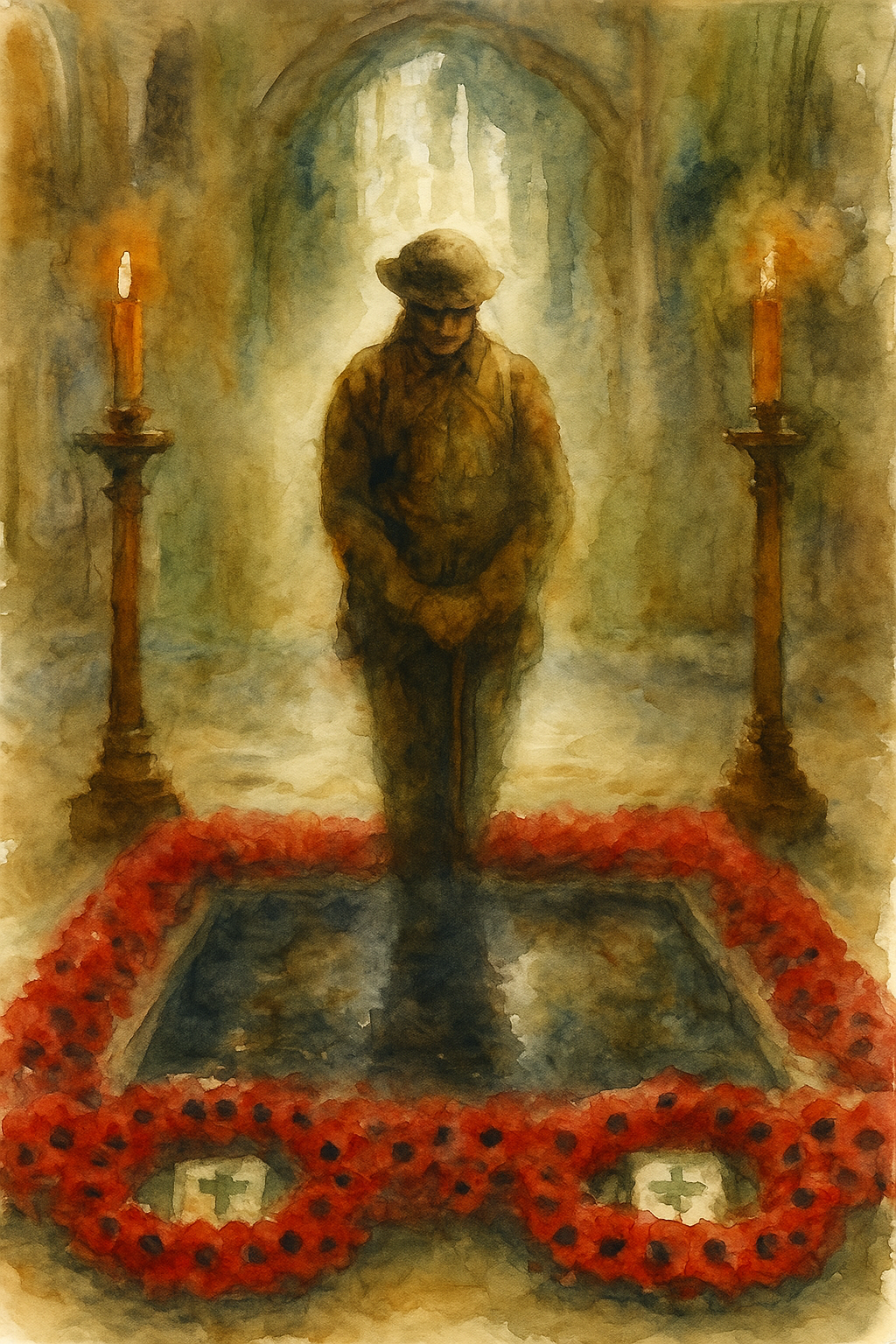
Remembrance Sunday, held on the Sunday closest to 11 November, developed alongside the Unknown Warrior as a way to publicly mark the armistice and honor all who died. The tomb quickly became a focal point of national mourning, especially for families who had no known grave to visit.
The Unknown Warrior allowed a grieving nation to finally have somewhere to mourn.